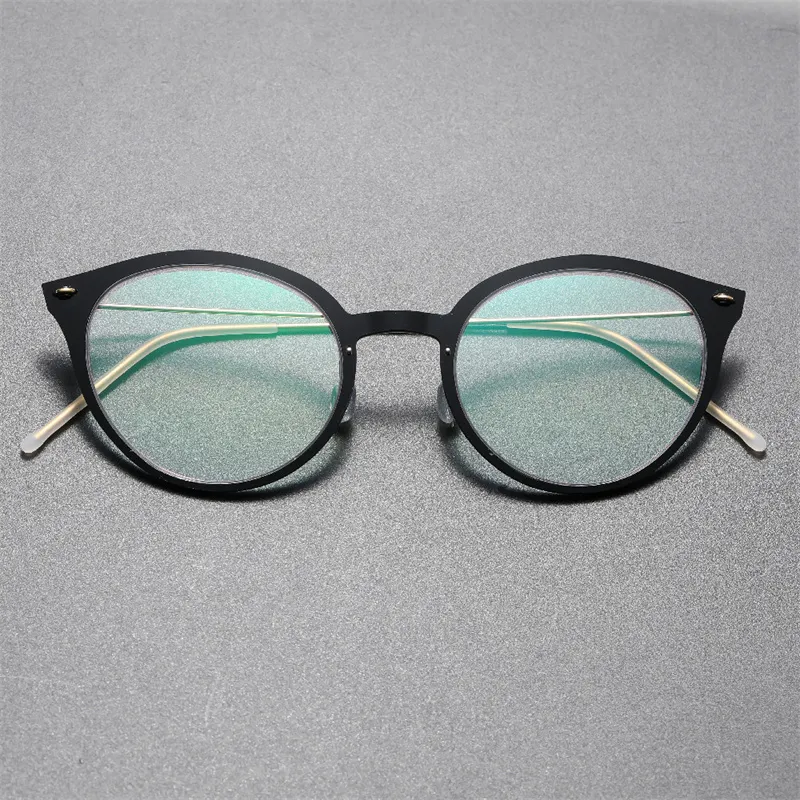
Have you ever purchased something hoping it would solve a problem, only to be let down time and again? That was my experience with reading glasses. For years, I went through countless cheap pairs, convinced I was saving money. How mistaken I was! Looking back, I must have wasted hundreds of dollars and countless hours searching for a decent pair. If only I had known what to look for, I could have saved myself so much stress and money.
This isn't just a story about glasses—it's a cautionary tale and a guide. I'm sharing my hard-earned lessons so you can avoid making the same mistakes. My quest for the best reading glasses led me down many wrong paths, but I eventually discovered a clear solution.
My first mistake was always choosing the cheapest option. You know the type—three pairs for ten dollars, or a single pair for five. They seemed like a bargain at the time. But the lenses were often blurry, causing eye strain, and the frames would break within a week or two. Sometimes a screw would fall out or an arm would snap off right when I needed them most. It was a constant cycle of buying, breaking, and replacing. This wasn't saving money; it was a persistent drain on my wallet.
I learned the hard way that an extremely low price usually means extremely low quality. These inexpensive glasses are typically made from flimsy plastic with poor lenses. They might look acceptable in the store, but they don't hold up. The materials simply aren't durable enough for daily use. My eyes often felt tired and strained, turning reading from a pleasure into a chore.
Verdict: Don't be tempted by rock-bottom prices. Quality costs a bit more upfront but saves you money and hassle in the long run. Look for good materials like titanium frames and clear, distortion-free lenses.
After a while, I started looking for slightly more expensive options but still got caught by misleading advertisements. Some brands claimed to be "durable" or "ultra-clear" without actually delivering. The packaging looked appealing, and the descriptions sounded promising, but the product itself was a disappointment. I’d buy into the hype, hoping this time would be different, only to find the frames still felt weak or the lenses had an odd tint.
It's easy to be fooled by fancy wording and polished online images. What I eventually realized is that you need to look beyond the marketing. Genuine user photos and detailed reviews are your best allies. Often, what you see in the advertisement isn't what you receive. I wasted time ordering glasses online just to return them because they looked and felt cheap.
Verdict: Always check authentic customer reviews and photos. Pay attention to what real buyers are saying and showing, not just the company's marketing. This helps you avoid empty promises.
My biggest regret was not doing sufficient research from the beginning. I just wanted a quick fix for my declining eyesight. I’d grab whatever was convenient or looked decent enough. I never really considered what makes a good pair of reading glasses. What materials are best for frames? What type of lenses are truly clear? I didn't even understand what "screwless design" meant or why it was important.
Because of this, I endured glasses that slipped down my nose, scratched easily, or gave me headaches. I simply accepted these issues as normal for reading glasses. I wish I had known that a little homework could have spared me so much discomfort. A solid review of the best reading glasses would have steered me in the right direction years ago.
Here’s what I learned you should consider: